The primary method used to control the risk from Legionella is effective water temperature management. Water systems should be operated within specific temperature ranges to prevent conditions that allow Legionella bacteria to grow and multiply.
Hot water storage cylinders (calorifiers) should be maintained at a minimum temperature of 60°C or higher. Hot water should then be distributed at 50°C or above, with thermostatic mixer valves fitted as close as possible to outlets where there is a risk of scalding. Cold water systems should be stored and distributed at temperatures below 20°C to minimise the risk of bacterial growth.
Guidance within ACoP L8 and HSG274 emphasises the importance of regular monitoring of both hot and cold water systems. These monitoring activities should be carried out by suitably trained and competent persons to ensure accuracy, consistency and compliance with current standards.
CLIRA provides a complete water system monitoring service delivered by qualified technicians and as registered members of the Legionella Control Association, we offer assurance that our services meet recognised industry requirements. Our monitoring service is designed to give you confidence that your systems remain compliant and under control at all times.
Our service includes monthly temperature monitoring of sentinel and representative outlets, checks of water heaters and calorifiers, showerhead cleaning and disinfection, inspections of cold water storage tanks, and servicing of thermostatic mixing valves. Each element is carried out as part of a structured programme designed to maintain system safety and regulatory compliance.
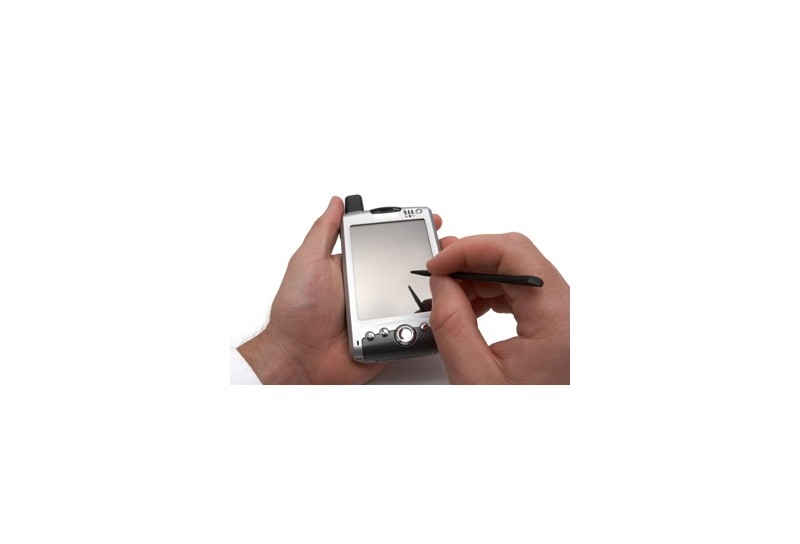
To support this, we have developed a bespoke electronic logbook system that provides 24/7 access to monitoring records. This system allows both CLIRA and our clients to view real-time data, identify any areas of non-compliance, and take corrective action quickly where required. This improves transparency and ensures issues can be addressed without delay.
In addition to routine monitoring, CLIRA is fully trained in Legionella and Pseudomonas water sampling, with all testing carried out through UKAS-accredited laboratories to ensure reliable and validated results.
We also provide electronic data logging solutions for sentinel outlet monitoring. By installing compact data loggers on pipework, we can record temperatures at set intervals and generate detailed monthly reports and trend graphs. This approach goes beyond traditional snapshot monitoring, offering a more complete view of system performance and efficiency over time.
These tools not only support compliance with regulatory requirements but also help identify system inefficiencies early, enabling proactive maintenance and improved control. By outsourcing monitoring to CLIRA, you free up valuable internal resources while ensuring your legal responsibilities are fully managed by specialists.