Pseudomonas Aeruginosa Risk Assessments
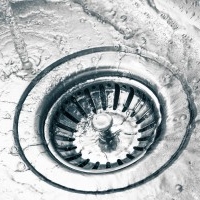
Pseudomonas Aeruginosa is an opportunistic pathogen that can contaminate water systems and survive under the right conditions, particularly within one metre of outlets such as taps and sinks. While it can be present in many environments, it poses a significant risk in healthcare settings where individuals may already have weakened immune systems.
The impact of Pseudomonas Aeruginosa can be particularly serious for vulnerable groups, especially the very young, the elderly, and those with compromised immunity. In the UK, there have been a number of hospital outbreaks, with sources often traced back to contaminated water systems, including sinks and drainage points. These incidents have highlighted the importance of effective monitoring and control measures within healthcare premises.
In response to such risks, the Department of Health issued guidance in 2012 for managing Pseudomonas Aeruginosa in augmented care units. This followed a serious outbreak in a Belfast hospital neonatal unit, which led to several infant deaths. As a result, further guidance was introduced through an addendum to HTM04-01 in March 2013, providing specific recommendations and requirements for managing risks associated with Pseudomonas Aeruginosa in these high-dependency environments.
The HTM04-01 addendum outlines a range of responsibilities, including system design considerations, operational controls, and ongoing monitoring requirements for designated augmented care areas. It emphasises the need for a proactive and structured approach to risk management, ensuring that water systems do not become a source of infection.
Working closely with infection control teams and microbiologists, CLIRA has developed a bespoke Pseudomonas Aeruginosa Risk Assessment designed specifically for healthcare environments. This assessment takes a comprehensive approach, considering not only the design and condition of the water system, but also how it is managed and maintained in practice, including day-to-day housekeeping standards.
Our assessments can be carried out alongside Legionella Risk Assessments, providing an efficient and coordinated approach to water safety compliance. Each assessment produces a clear, percentage-based risk score, allowing risks to be easily understood as low or high, along with practical recommendations to reduce the likelihood of infection and improve overall system safety.
To further support effective risk management, CLIRA also provides Pseudomonas Aeruginosa awareness training for those responsible for water systems, including hotel services teams and ward managers. This ensures that staff have the knowledge and confidence to maintain safe systems and support ongoing compliance in critical environments.